See clearly in murky waters.
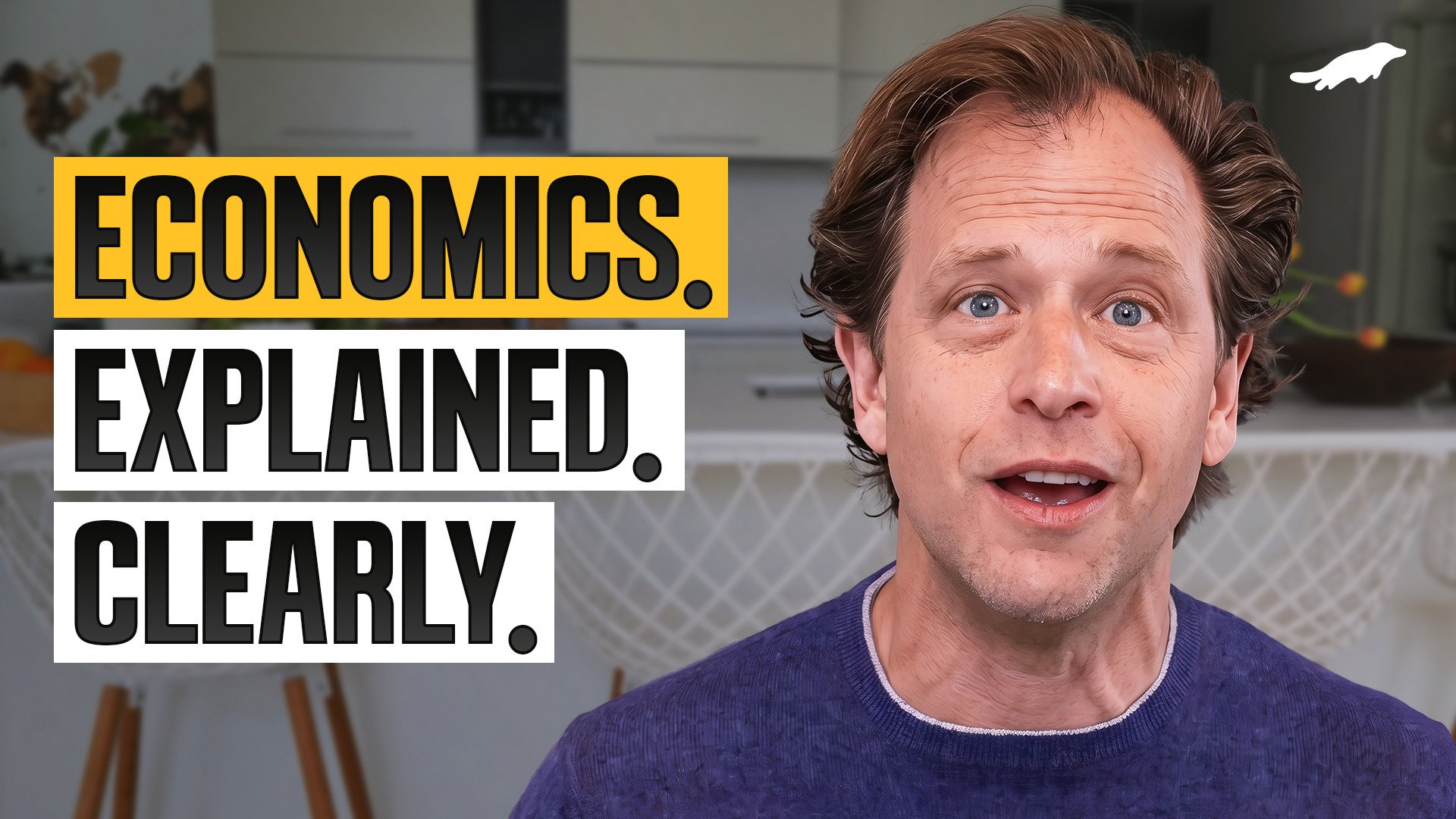
G'day, I'm Justin Wolfers. I've spent two decades teaching economics — and the truth is, the best part has never been the lecture. It's the moment a student leans forward and the world clicks into place a little differently.
I'm starting Platypus Economics so we can have more of those moments — together, on whichever screen you're holding. The economy is weirder than it looks. Let's go figure it out.
Whatever app you already spend too much time in, I'm probably there. Pick the one that fits your week.
I was born an economist in my late teens, in Mr. Lees' classroom in suburban Sydney, during the slump Australia's government called the recession we had to have. My stepfather told me those unemployment numbers weren't numbers. They were people. Each with their own stories. And dignity. It stuck with me.
Most of what I've done since has been an attempt to keep faith with that sentence. A PhD at Harvard. A shelf of research on the issues that matter, like unemployment, divorce, and happiness. Over a decade of teaching Econ 101 at Michigan. A textbook with my partner Betsey Stevenson. Dozens of columns for the New York Times. Wonking out at Brookings. The credentials are real, but they aren't the point. The point is that economics, when it's taught well, is one of the most useful things anyone can carry through their life — and almost no one outside a classroom ever gets it taught well.
Television tells stories but doesn't explain. A ninety-minute lecture explains but doesn't travel. I'd like to build something in between. Work that makes you a little smarter for next time, not just this one.
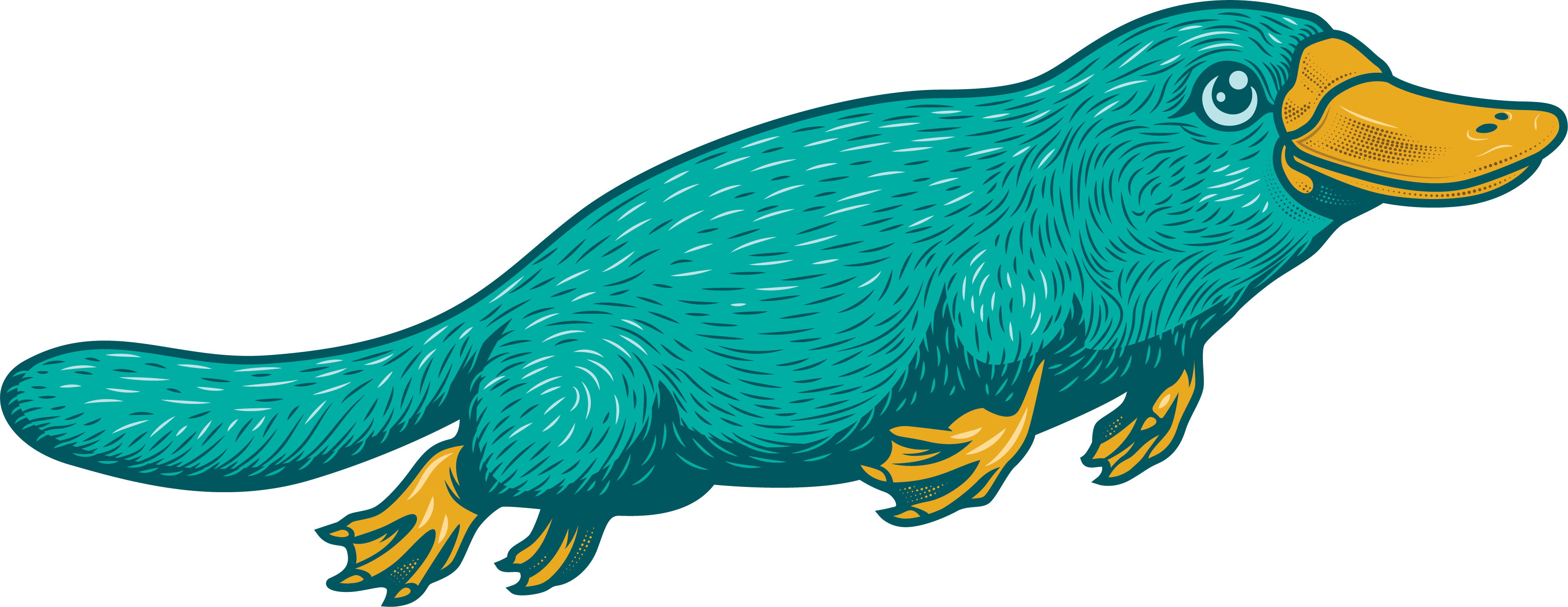
When Linnaean taxonomists first saw a platypus pelt in 1799, they thought it was a hoax — someone had clearly stitched a duck's bill onto a beaver . They were wrong. Too many people think this way about economics.
Mammal, but lays eggs. Beaver tail, duck bill, otter feet. Economics, at its best, refuses the tidy left-vs-right, micro-vs-macro boxes. The world is weird — the economics should be too.
Platypuses hunt with their eyes closed, reading electrical fields that prey give off. Good economics does the same with prices, incentives, and data — picking up signals invisible to the naked eye.
The male platypus has a venomous spur — real power, hidden in something that looks too cute to bite. We think the right idea, well-explained, has the same quality. It doesn't argue louder. It just changes how the argument works .
Justin is from Sydney. So is the platypus, more or less. There's a way of looking at the world from the other side of the world — slightly skeptical, allergic to self-importance, and irreverent — that runs through all of this.
In short: the platypus is what happens when the world refuses to fit in the box we built for it. That's also most of economics. Hence the logo.
The newsletter, the channel, and the podcast are where the long stuff lives . Everything else is how I show up in your feed between drops .
Different inquiries, different doors. Pick the right door and you'll hear back faster.
For conferences, corporate events, and universities. Keynotes, fireside chats, and on-stage interviews on the macro picture and the economics of everyday life.
speaking@platypuseconomics.comBrand partnerships across YouTube, the podcast, and the newsletter. Media kit and audience data on request.
sponsor@platypuseconomics.comFor journalists, bookers, and producers. Includes TV booking contact, headshots, and a one-page bio.
press@platypuseconomics.comInterested in joining the Platypus team? Do you have specific skills to contribute? Shoot us an email with your specific vision.
hiring@platypuseconomics.com